How Does Solar Energy Help Reduce Electricity Bills?
Electricity costs are one of the fastest-rising household expenses. Solar energy offers a proven way to slash those monthly bills by generating free power from the sun.

BLOG
How Does Solar Energy Help Reduce Electricity Bills?
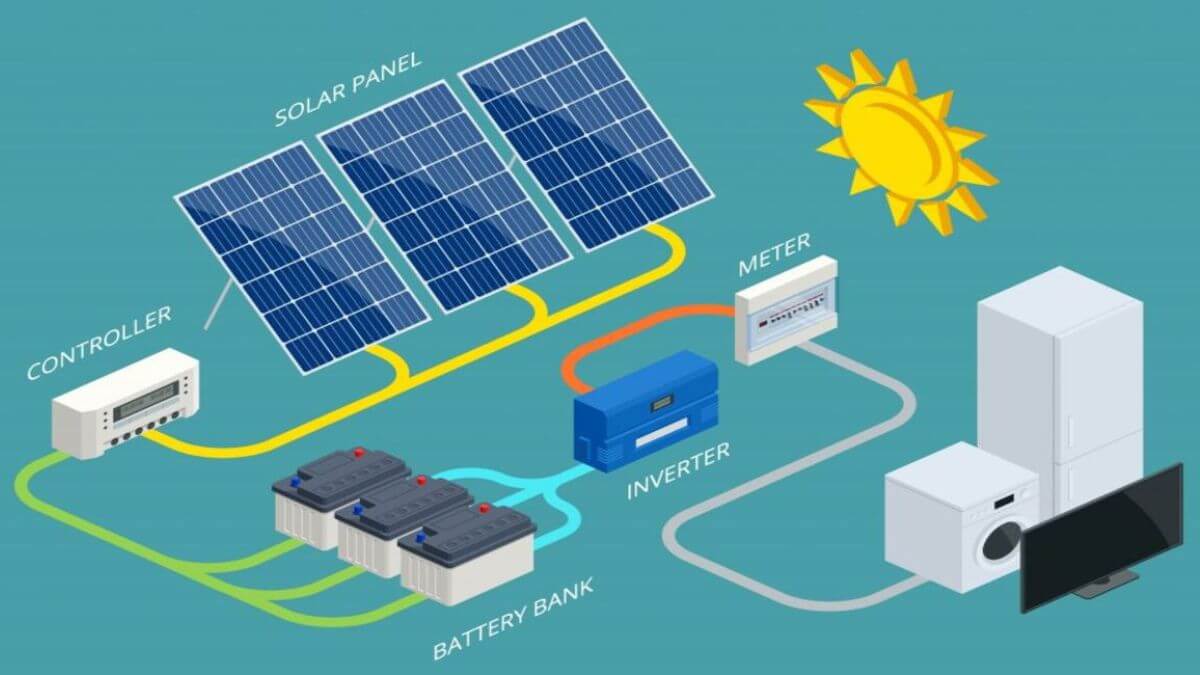
Electricity costs are one of the fastest-rising household expenses. Solar energy offers a proven way to slash those monthly bills by generating free power from the sun. Beyond installing panels, you benefit from stable energy prices, net-metering credits, and minimal upkeep—transforming your rooftop into a long-term savings engine.
1. Locking in a Lower Cost per Kilowatt-Hour
When you install solar panels, you effectively set your own electricity rate—often well below what utilities charge.
2. Protection Against Rising and Volatile Tariffs
Utility rates historically increase by 5–8% annually. With solar, you lock in your “fuel” cost for decades.
- A one-time investment sets your cost of electricity, insulating you from future tariff spikes.
- In regions with time-of-use (ToU) pricing, you can discharge stored solar power during peak-rate hours for extra savings.
- Predictable monthly expenses simplify budgeting and reduce exposure to unpredictable utility adjustments.
3. Earning Net-Metering Credits
Net-metering lets you export surplus solar power to the grid in exchange for credits. Those credits offset future imports, driving your net bill toward zero.
| Action | Grid Imported Units | Grid Exported Units | Billing Effect |
|---|---|---|---|
| Solar production equals consumption | 0 | 0 | You consume all solar; bill drops fully |
| Solar production exceeds demand | 0 | Surplus kWh | Surplus kWh credited to your next bill |
| Solar production below demand | Deficit kWh | 0 | You draw deficit from grid at low net rate |
Many utilities offer one-to-one or favorable credit ratios, meaning every kWh you send out reduces your next billing cycle directly.
4. Minimizing Maintenance and Fuel Costs
Unlike diesel generators or continued grid purchases, solar systems have virtually no ongoing “fuel” costs—sunlight is free.
- Panels have no moving parts; occasional cleaning (every 3–6 months) keeps them at peak output.
- Inverters typically need servicing or replacement every 10–15 years.
- Beyond periodic inspections, your operational costs remain low, maximizing net savings over the system’s 25-year lifespan.
5. Peak-Shaving and Time-of-Use Optimization
In regions with ToU or demand-based tariffs, electricity costs vary by time of day.
- Charge batteries during midday when solar production is highest.
- Discharge stored power during evening peak-rate hours to avoid expensive grid imports.
- This “peak-shaving” strategy can cut bills by an additional 10–20% beyond simple net-metering benefits.
6. Long-Term Return on Investment and Property Value
Solar systems typically pay for themselves within 5–8 years, depending on local rates and incentives. From year nine onward, virtually all generated power is free.
- A typical 5 kW setup in India produces ~550 kWh/month, saving ₹4,400 at ₹8/kWh.
- Over 20 years, cumulative savings can exceed ₹10 lakhs after system payback.
- Homes with solar installations often command a resale premium of 3–4%, as buyers value long-term energy savings and sustainability.
Frequently Asked Questions (FAQs)
If your system size matches or exceeds your annual consumption and your utility offers full net-metering credits, you can drive your net bill close to zero, paying only minimal service charges.
Surplus power is exported to the grid under net-metering. You earn credits that offset future electricity imports, effectively banking excess production.
Yes—but your net bill reflects only the difference. If exports exceed imports over a billing cycle, you may carry a credit balance or, in some regions, receive payment for the net export.
Panels require cleaning every 3–6 months, depending on dust and debris. Inverters and electrical connections benefit from annual inspections; most installers offer affordable maintenance contracts.
Absolutely. Batteries store midday solar power for evening or peak-rate use, boosting self-consumption and enabling peak-shaving strategies for additional savings.
In India, residential rooftop systems up to 3 kW often qualify for a 30% capital subsidy under MNRE schemes. Larger systems and institutional setups may receive even higher incentives and low-interest loans.
- Typical grid rates range from ₹7–₹12 per kWh, subject to annual hikes.
- Solar-generated power costs (after incentives) average around ₹3–₹5 per kWh over 25 years.
- By replacing high-rate grid power with your panel output, each unit you consume saves you 30–60%.