Can Solar Panels Work During Cloudy Weather?
Many homeowners wonder if solar panels can generate electricity when the sky is overcast.

BLOG
Can Solar Panels Work During Cloudy Weather?
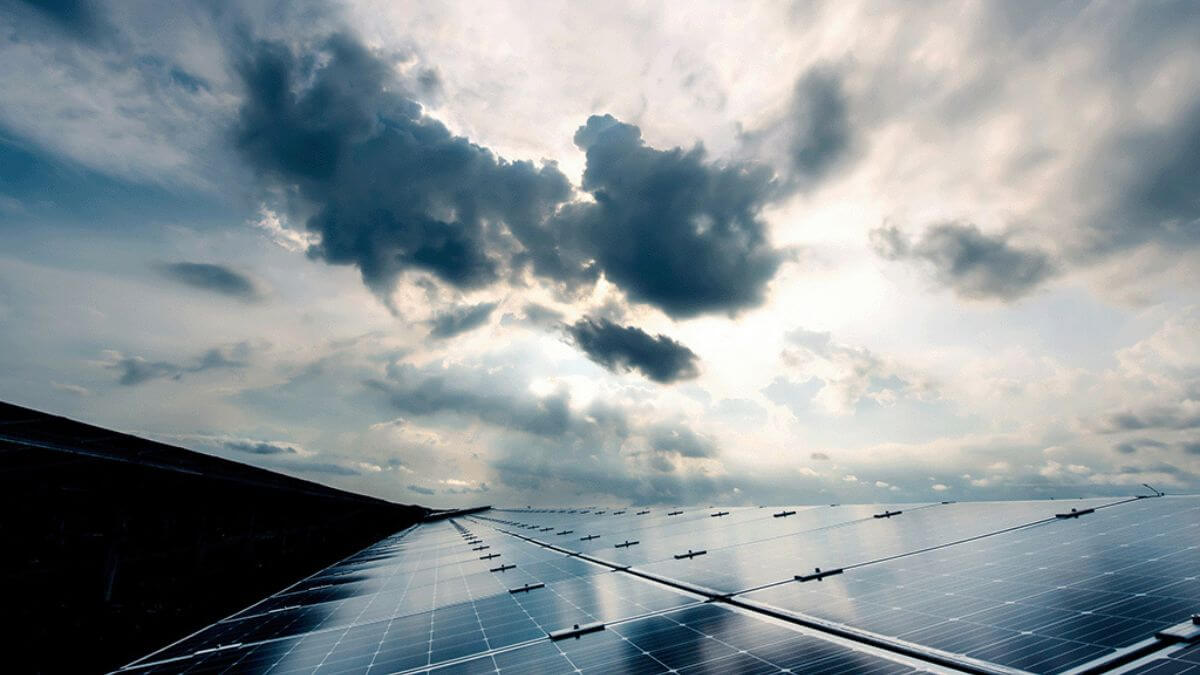
Many homeowners wonder if solar panels can generate electricity when the sky is overcast. Contrary to popular belief, solar panels don’t require full, direct sunlight to function. They capture both direct and diffuse light, allowing them to produce power even on cloudy days.
1. How Solar Panels Capture Sunlight, Even When It’s Cloudy
Solar panels rely on the photovoltaic effect: photons energize electrons in semiconductor cells to create an electric current. This process works with both direct sunlight and diffuse light—sunlight scattered by clouds or atmospheric particles—which still reaches the Earth’s surface and activates the PV cells.
2. Typical Performance on Cloudy Days
Lightly overcast days: panels operate at about 50–80% of peak output.
Heavy cloud cover: output may drop to 10–25% of full capacity.
Overall, most systems generate between 10–50% of their maximum under cloudy conditions, depending on cloud thickness and panel quality.
3. Factors Influencing Output in Overcast Conditions
Cloud Thickness and Type: Thin, high-altitude clouds allow more light through than dense storm clouds.
Panel Quality and Technology: High-efficiency monocrystalline and bifacial modules capture more diffuse light than lower-tier options.
Orientation and Tilt: Proper angling maximizes exposure to both direct and scattered sunlight.
Geographic Location and Season: Equatorial regions and longer daylight hours mitigate seasonal output dips.
4. System Design Strategies to Maximize Cloudy-Day Production
Use high-efficiency panels rated for low-light performance.
Optimize panel tilt and orientation for diffuse light capture.
Install micro-inverters or power optimizers so each panel works independently.
Incorporate reflective surfaces or light-colored ground coverings to boost indirect irradiation.
Add battery storage to bank excess energy from sunny periods for cloudy spells.
5. Real-World Success Stories Under Cloudy Skies
Countries and regions known for overcast weather—like Germany and the United Kingdom—have built thriving solar markets by leveraging efficient panels and smart system design. Even Seattle’s rainy climate hasn’t hindered its growing rooftop solar installations, proving solar’s viability in diverse weather patterns.
Frequently Asked Questions (FAQs)
Yes. Panels capture diffuse light scattered by clouds, enabling power generation even without direct sun.
Output typically ranges from 10% to 50% of peak capacity, depending on cloud density and panel quality.
They do. Rain can even clean panels, and light snow seldom blocks all light—though heavy snow cover will reduce output until panels are cleared.
Monocrystalline and bifacial panels excel in diffuse light due to superior material quality and design.
Optimize tilt/orientation, choose high-efficiency modules, use micro-inverters, and maintain clean panels for maximum light capture.
Absolutely. Success stories from Germany, the UK, and Seattle demonstrate strong returns and reliable performance, even under frequent cloud cover.