What Is The Lifespan of a Solar Energy System?
Most solar panels are designed to last 25–30 years before efficiency drops noticeably. Tier-one manufacturers back this with 25-year performance warranties guaranteeing at least 80% of original output at the end of the term.
BLOG
What Is The Lifespan of a Solar Energy System?
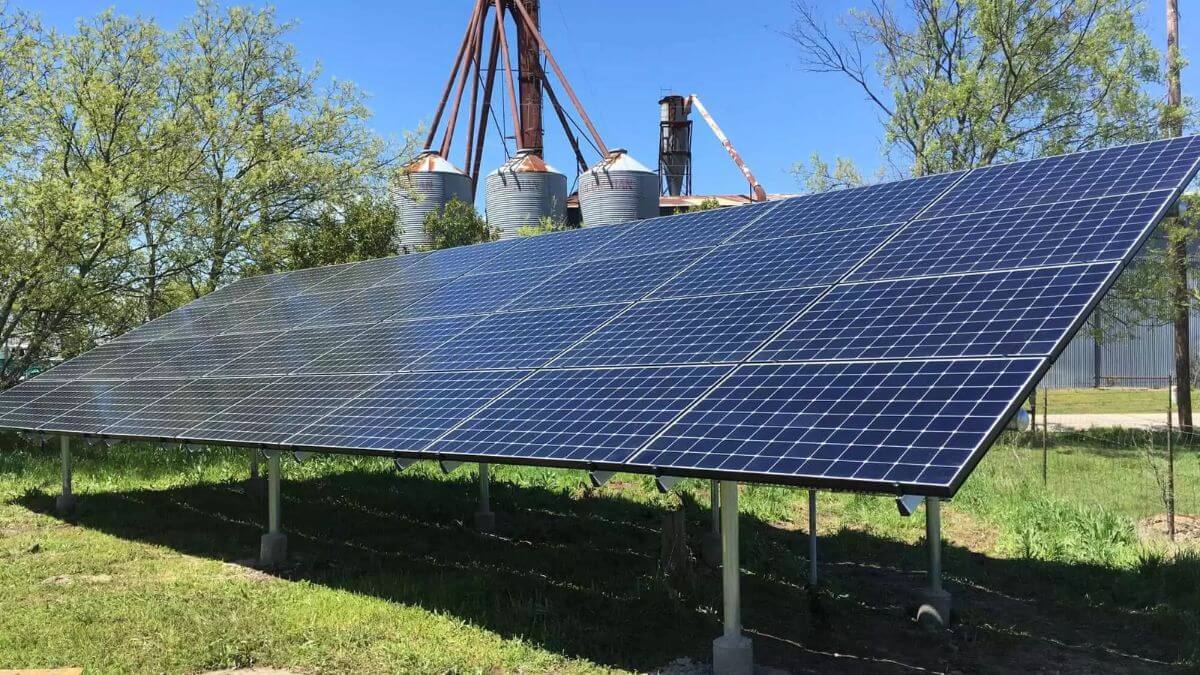
Solar energy systems are a long-term investment in clean power. Understanding their lifespan helps homeowners and businesses plan maintenance, maximize returns, and decide when replacements or upgrades are needed. Generally, key components such as panels, inverters, and batteries each have different durability profiles.
Average Lifespan of Solar Panels
Most solar panels are designed to last 25–30 years before efficiency drops noticeably. Tier-one manufacturers back this with 25-year performance warranties guaranteeing at least 80% of original output at the end of the term.
After 30 years, although panels still produce electricity, annual degradation—typically 0.5% per year—means they deliver around 85–90% of initial capacity.
Lifespan of Other System Components
|
Component |
Typical Lifespan |
Notes |
|
Inverter (string) |
10–15 years |
Works hardest converting DC→AC; warranties often cover 10 years. |
|
Microinverter |
15–25 years |
Mounted under each panel; replacement less frequent but costlier. |
|
Battery (Li-ion) |
10–15 years |
Cycle life depends on depth-of-discharge and temperature control. |
|
Battery (lead-acid) |
5–8 years |
Requires regular water topping and equalization charges. |
|
Mounting Structure |
25+ years |
Corrosion-resistant materials (galvanized steel, aluminum). |
|
Balance-of-System |
20–30 years |
Wiring, junction boxes, and monitoring hardware. |
Key Factors Affecting System Longevity
1. Quality of Materials and Manufacturing
High-quality panels use tempered glass, robust frame alloys, and advanced back sheets that withstand UV, temperature swings, and moisture better than cheaper alternatives. Manufacturers with stable track records and financial health (Tier-one) tend to offer lower degradation rates (~0.3% annually) vs. lower-tier brands (~0.5–0.8%).
2. Installation and Technical Workmanship
Proper racking alignment, torque-spec’ed fasteners, correct wiring practices, and good ventilation prevent micro-cracks, hot spots, and premature inverter stress. Certified installers following manufacturer guidelines significantly reduce early failures3.
3. Environmental and Climatic Influences
- Heat: Sustained high temperatures accelerate chemical breakdown in cells and batteries.
- Humidity & Saline Air: Coastal areas risk corrosion unless components are salt-mist rated.
- Extreme Weather: Hail, high winds, or snow loads can physically damage panels and mounts.
Choosing products rated for local climate conditions mitigates these risks.
4. Maintenance and Monitoring
Regular cleaning (every 3–6 months in dusty regions) keeps panels clear of debris and bird droppings. Annual inspections catch wiring faults, inverter errors, or battery imbalance early. Modern monitoring platforms alert owners to underperformance so corrective actions happen before major degradation sets.
Understanding Warranties
- Performance Warranty: Guarantees panel output stays above a percentage (often 80%) after 25 years.
- Product Warranty: Covers defects in materials and workmanship (typically 10–12 years).
- Inverter Warranty: Ranges from 5–12 years, sometimes extendable to 20 years for microinverters.
- Battery Warranty: Li-ion warranties often cover cycle counts (e.g., 5,000 cycles) or years (10–15).
Review terms carefully, as manufacturer insolvency can void warranties unless backed by third-party insurance.
Tips to Extend Your Solar System’s Life
- Select Tier-One Panels: Lower degradation and stronger warranties justify slightly higher upfront cost.
- Schedule Professional Check-Ups: Annual system health assessments prevent minor faults from compounding.
- Optimize Panel Tilt & Ventilation: Ensure airflow under panels to dissipate heat and reduce thermal stress.
- Use MPPT Charge Controllers: For off-grid or hybrid setups, MPPTs maximize battery charge efficiency and longevity.
- Invest in Quality Mounting Hardware: Corrosion-resistant rails and hardware protect against environmental wear.
Implementing these practices can push your system’s useful life well beyond 30 years for panels and over 15 years for inverters and batteries3.
End-of-Life and Recycling
Solar panels contain glass, aluminum, and semiconductor materials that are recyclable. Emerging programs repurpose panels or recover high-purity silicon and metals. As recycling infrastructure grows, proper end-of-life handling will reduce environmental impact and recover value from spent systems.
Frequently Asked Questions (FAQs)
No. They continue producing electricity but at reduced efficiency (around 85–90% of original output).
Inverters typically fail or lose efficiency after 10–15 years. Monitor error codes and annual performance; plan replacement before warranties expire.
Yes. High temperatures accelerate material degradation. Panels rated for high-temp performance and proper ventilation mitigate this effect.
Every 3–6 months, depending on dust and debris levels. Regular cleaning prevents energy losses and physical damage.
In India, most central and state subsidies focus on on-grid systems. Off-grid or hybrid battery subsidies are limited; check specific state DISCOM programs for grants or low-interest loans.
Conclusion
A solar energy system’s lifespan is shaped by component quality, installation practices, environmental exposure, and proactive maintenance. Panels last 25–30 years with gradual degradation, while inverters and batteries typically need replacement after 10–15 years. By investing in tier-one products, adhering to maintenance schedules, and choosing climate-appropriate hardware, you can ensure decades of reliable, clean power—and maximize the return on your solar investment.